


Dealing with breakouts can be a real pain, and then trying to find makeup that doesn't make it worse feels like a whole other challenge. If you've got skin that's prone to acne, you've probably heard the term 'non-comedogenic.' But what does that actually mean for your makeup choices? We're going to break down what to look for, what to skip, and how to put together a makeup routine that your skin will actually thank you for. Let's get your skin happy and your makeup looking great, all at the same time.
Key Takeaways
-
Non-comedogenic makeup is formulated to not clog your pores, which is a big deal when you're dealing with acne.
-
Some ingredients, like certain oils and silicones, can be pore-cloggers, so it's good to know what to avoid.
-
Look for makeup with ingredients that are gentle and can actually help your skin, like hyaluronic acid or niacinamide.
-
Product types like mineral makeup, oil-free foundations, and lightweight concealers are usually good bets for acne-prone skin.
-
Building a simple routine with the right non-comedogenic makeup for acne-prone skin can make a big difference in how your skin looks and feels.
What non-comedogenic actually means and what it doesn't
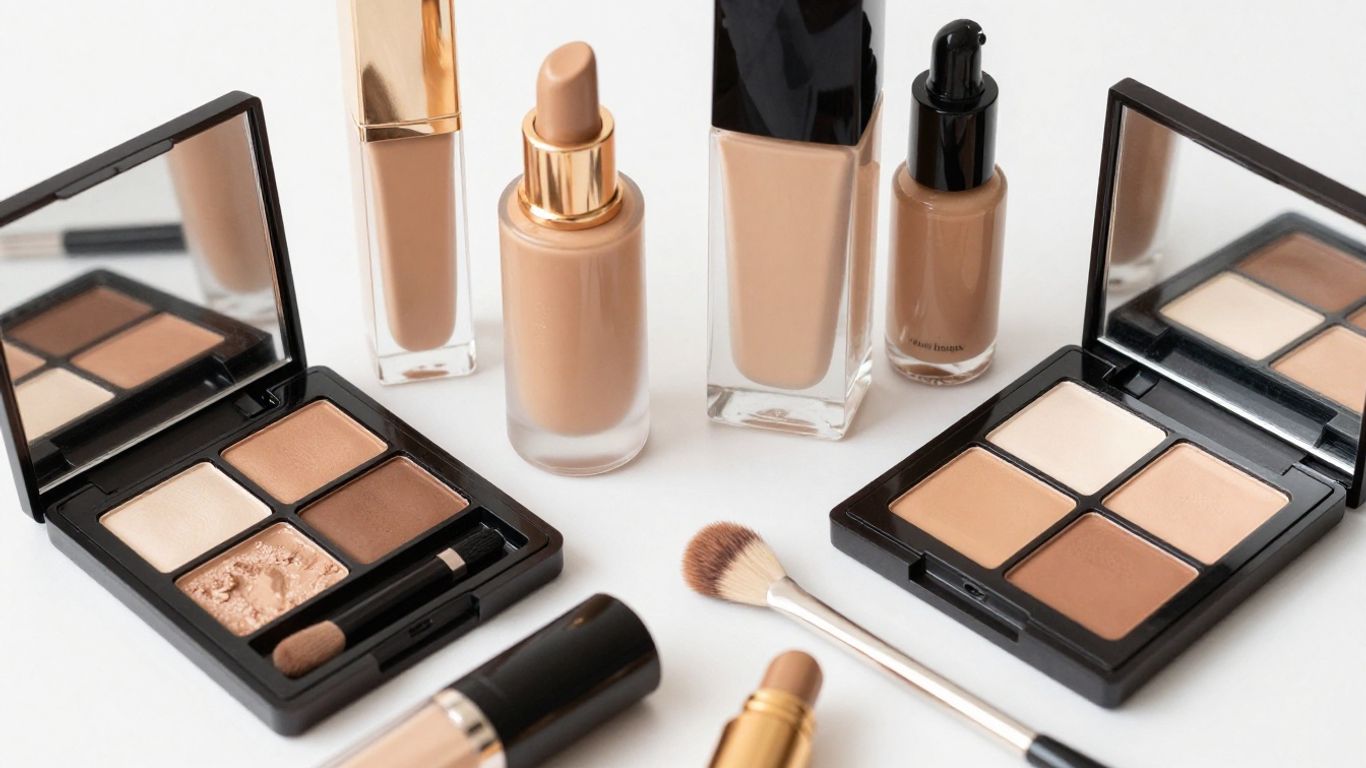
So, you've probably seen the term "non-comedogenic" on makeup labels, especially when you're looking for a good non-comedogenic foundation. It sounds great, right? Like it's guaranteed not to cause breakouts. But here's the thing: the term "non-comedogenic" isn't actually regulated by the FDA. This means brands can use it pretty freely, and it doesn't always mean what you think it means.
Basically, "non-comedogenic" is supposed to mean that a product won't clog your pores. Clogged pores are a big reason why acne happens. When oil, dead skin cells, and bacteria get trapped, they can lead to pimples, blackheads, and whiteheads. So, a product labeled non-comedogenic should, in theory, help you avoid that.
However, because there's no official standard, what one brand considers non-comedogenic might still cause issues for someone else. It's more of a marketing claim than a strict scientific guarantee. Some ingredients are more likely to clog pores than others, and even if a product is labeled non-comedogenic, it might still contain something that bothers your skin.
It's also important to know that "non-comedogenic" doesn't automatically mean "hypoallergenic" or "oil-free," though those terms often go hand-in-hand. Some oil-free products can still clog pores, and some products with oils might be formulated in a way that they don't cause problems for many people.
When you're shopping, look beyond just the "non-comedogenic" label. Checking ingredient lists is your best bet for finding makeup that works for your skin. Some ingredients, like talc, are often found in makeup and can be pore-clogging for some individuals.
Here are a few things to keep in mind:
-
It's a guideline, not a rule: Think of "non-comedogenic" as a helpful hint that the product is intended not to clog pores, but it's not a foolproof promise.
-
Individual reactions vary: What clogs one person's pores might be perfectly fine for another. Your skin is unique!
-
Patch testing is your friend: Always a good idea to test a new product on a small area of your skin before applying it all over your face.
Ultimately, finding the right makeup for acne-prone skin often involves a bit of trial and error. Paying attention to how your skin reacts to different products and ingredients is key. The goal is to find formulas that let your skin breathe and don't contribute to breakouts. This careful approach helps you make informed choices for your skin's health.
Ingredients that clog pores - learn to spot them
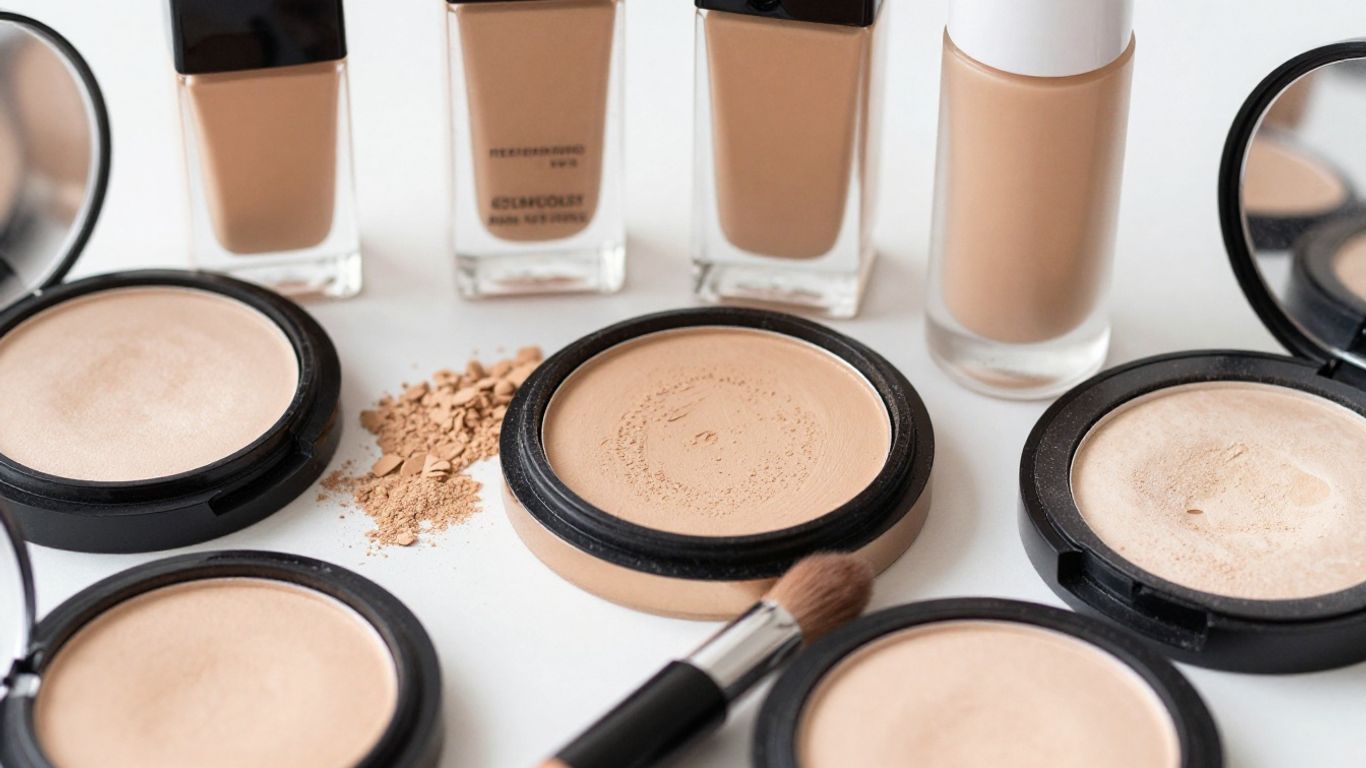
Knowing which ingredients tend to cause trouble is super helpful when you're trying to keep your skin clear. Think of it like knowing which foods don't agree with you – once you know, you can avoid them. Some ingredients are notorious for clogging pores, leading to those unwelcome pimples and blackheads. It's not about being perfect, but about making informed choices for your skin.
Here are some common culprits you might want to watch out for:
-
Mineral Oil and Petrolatum: These are petroleum-derived ingredients. While they can be very moisturizing, they can also create a barrier on the skin that traps everything underneath, including oil and dead skin cells, which can lead to breakouts for some.
-
Talc: You'll find talc in a lot of powders, like foundations and blushes. While it helps absorb moisture and gives a smooth finish, it can also be a pore-clogger for many people. If you're prone to acne, it might be worth looking for talc-free makeup options.
-
Certain Fatty Acids and Alcohols: Not all fatty acids and alcohols are bad! Some are actually beneficial. But ingredients like Isopropyl Myristate, Isostearyl Isostearate, and Oleic Acid can sometimes cause problems.
-
Fragrance (Parfum): Even if it's not directly clogging pores, synthetic fragrance is a common irritant that can make existing acne worse or cause redness and sensitivity.
-
Lanolin: This is a waxy substance from sheep's wool. It's very moisturizing but can be heavy and potentially clog pores for some individuals.
It's important to remember that everyone's skin is different. What causes a breakout for one person might be perfectly fine for another. Paying attention to how your skin reacts after using a product is your best guide.
Learning to read ingredient lists can feel a bit overwhelming at first, but it gets easier with practice. You'll start to recognize the names, and you'll get a feel for what works best for your unique skin. It’s all about finding what makes your skin happy and clear.
Ingredients that are safe and helpful for acne-prone skin
When you're dealing with skin that's prone to breakouts, picking the right ingredients in your makeup is a big deal. It's not just about covering up; it's about choosing things that won't make things worse and might even help a little. Understanding ingredient lists is crucial for finding makeup that works for your skin.
Some ingredients are generally considered good news for acne-prone skin. They tend to be lighter, less likely to clog pores, and sometimes even have soothing properties. Think about ingredients like:
-
Hyaluronic Acid: This is a humectant, meaning it draws moisture into your skin. Keeping your skin hydrated is actually really important for managing oil production, so don't skip this step!
-
Niacinamide (Vitamin B3): This is a superstar ingredient. It can help reduce inflammation, calm redness, and even improve the appearance of pores over time. It's a great all-rounder for many skin types.
-
Glycerin: Another fantastic humectant that helps keep your skin hydrated without feeling heavy or greasy. It's a common ingredient in many gentle formulas.
-
Silica: Often used in makeup to absorb oil and give a matte finish. It's generally considered safe and effective for oily or acne-prone skin.
-
Titanium Dioxide and Zinc Oxide: These are mineral sunscreen ingredients that are also often found in makeup. They are non-irritating and can even have a calming effect on the skin. Plus, they offer sun protection, which is vital for preventing post-inflammatory hyperpigmentation (those dark spots left after a pimple heals).
You'll often find these ingredients in makeup marketed as 'oil-free' or 'non-acnegenic.' While these terms aren't strictly regulated, they often point towards formulations that are less likely to cause issues for breakout-prone complexions. It's always a good idea to check the full ingredient list, though.
When you're looking for makeup, especially foundation or concealer, mineral-based formulas can be a great choice. They often contain fewer ingredients that can potentially irritate or clog pores. Many brands offer mineral foundations that provide good coverage without feeling heavy. If you're trying to build a non-comedogenic skincare routine, incorporating makeup with these beneficial ingredients is a smart move. It's about making your makeup work for your skin, not against it.
It's also worth noting that some ingredients, like talc, can be pore-clogging for some individuals, so it's wise to be aware of those. Focusing on products with simple, beneficial ingredients will help you achieve a clearer complexion. Your skin will thank you for the thoughtful choices you make.
Best makeup product types for acne-prone skin
When you're dealing with skin that's prone to breakouts, choosing the right makeup products can feel like a minefield. You want to look good, but you definitely don't want to make your acne worse. Let's break down some of the best types of makeup to consider.
When choosing makeup, it's important to remember that while 'non-comedogenic' is a helpful guide, it's not a strict guarantee. This means brands can use the label even if their products might clog pores for some people. So, while it's a good starting point, you still need to be mindful of ingredients.
Powders are often your best friend. Think about foundations, blushes, and setting powders. These tend to be less likely to contain heavy oils that can contribute to breakouts. When looking for the best powder for acne-prone skin, opt for finely milled formulas that won't settle into texture or feel heavy. Mineral-based powders can be particularly good because they often contain soothing ingredients like zinc oxide and titanium dioxide.
When it comes to foundations, you'll find a few types that work well:
-
Liquid Foundations: Look for oil-free, water-based formulas. Many brands now offer 'matte' or 'oil-control' versions, which are usually a safe bet. They often provide good coverage without feeling too heavy.
-
Powder Foundations: As mentioned, these are fantastic. They can offer buildable coverage and help absorb excess oil throughout the day. They're great for a quick touch-up too.
-
Mineral Foundations: These are typically loose powders made from finely ground minerals. They're often very gentle and can have anti-inflammatory properties, which is a bonus for sensitive, acne-prone skin. They also tend to be breathable.
For concealers, cream-to-powder formulas or liquid concealers that are specifically labeled oil-free and non-comedogenic are usually good choices. Avoid very thick, emollient formulas that might feel greasy.
When choosing blush and bronzer, powder formulas are generally preferred. They blend easily and are less likely to clog pores than their cream counterparts. You can achieve a beautiful flush of color without adding unnecessary heaviness to your skin. For blush application, remember to blend well for a natural look using the right tools.
It's also worth noting that talc, while a common ingredient in many powders, can sometimes be a pore-clogger for certain individuals. If you find that talc-heavy products cause issues, look for talc-free formulations.
Choosing makeup for acne-prone skin is about finding products that feel light, allow your skin to breathe, and don't contain ingredients known to cause breakouts. It's a process of trial and error, but focusing on powder-based and oil-free formulas is a solid strategy.
Ultimately, the goal is to find makeup that makes you feel confident without compromising your skin's health. Pay attention to how your skin reacts to different products, and don't be afraid to experiment with different formulations to see what works best for you.
How to build an acne-safe makeup routine
Building an acne-safe makeup routine can save you a lot of trouble (and maybe a couple of breakouts down the line). When building an acne-safe makeup routine, it's important to remember that while 'non-comedogenic' is a helpful guide, you still need to pay attention to how your skin reacts. And hey, even stuff like talc, which can seem harmless, can mess with your pores if you're sensitive.
Here's a step-by-step way to figure out your best routine with makeup that doesn't clog pores:
-
Start clean. Gently wash your face and don’t skip the moisturizer, so your skin isn’t trying to overcompensate with oil.
-
Use a primer that suits acne-prone skin for a smooth base that helps your makeup stay put and reduces the risk of flaking or patchiness.
-
Pick foundation and concealer products marked as "acne-safe" or "non-comedogenic," but double-check the ingredients list just in case. Avoid talc, coconut oil, and heavy cream formulas—stick to lightweight liquids or mineral powders instead.
-
Avoid layering on too much product. Less is usually more when it comes to acne-prone skin.
-
Pay attention to how you apply: Use clean brushes or sponges every time. Your fingers can transfer oil and bacteria.
-
Remove your makeup completely at night using a gentle remover and follow up with your usual cleanser.
Sometimes, the way you apply products matters just as much as the products themselves. Going light and keeping things clean can make a surprising difference.
Here's a quick comparison of product types:
|
Product Type |
Pore-Clogging Risk |
Good for Acne-Prone Skin? |
|---|---|---|
|
Stick Foundation |
High (often occlusive) |
No |
|
Liquid Foundation (oil-free) |
Low (varies by formula) |
Yes (with right formula) |
|
Cream Compact |
Medium to High |
Usually No |
|
Loose Mineral Powder |
Low |
Yes |
Just remember, even makeup labeled as acne-safe can sometimes cause breakouts, so patch-test new stuff when you can. If you want some ideas on what to avoid, especially with thick stick foundations or heavy primers, check ingredient lists closely. Building your routine is all about listening to your skin and not assuming any label is a guarantee.
Consistency and keeping things simple really pay off when your main goal is clear skin. A few careful choices and clean habits make all the difference for keeping your acne-safe makeup routine working for you.
Common mistakes that make acne worse
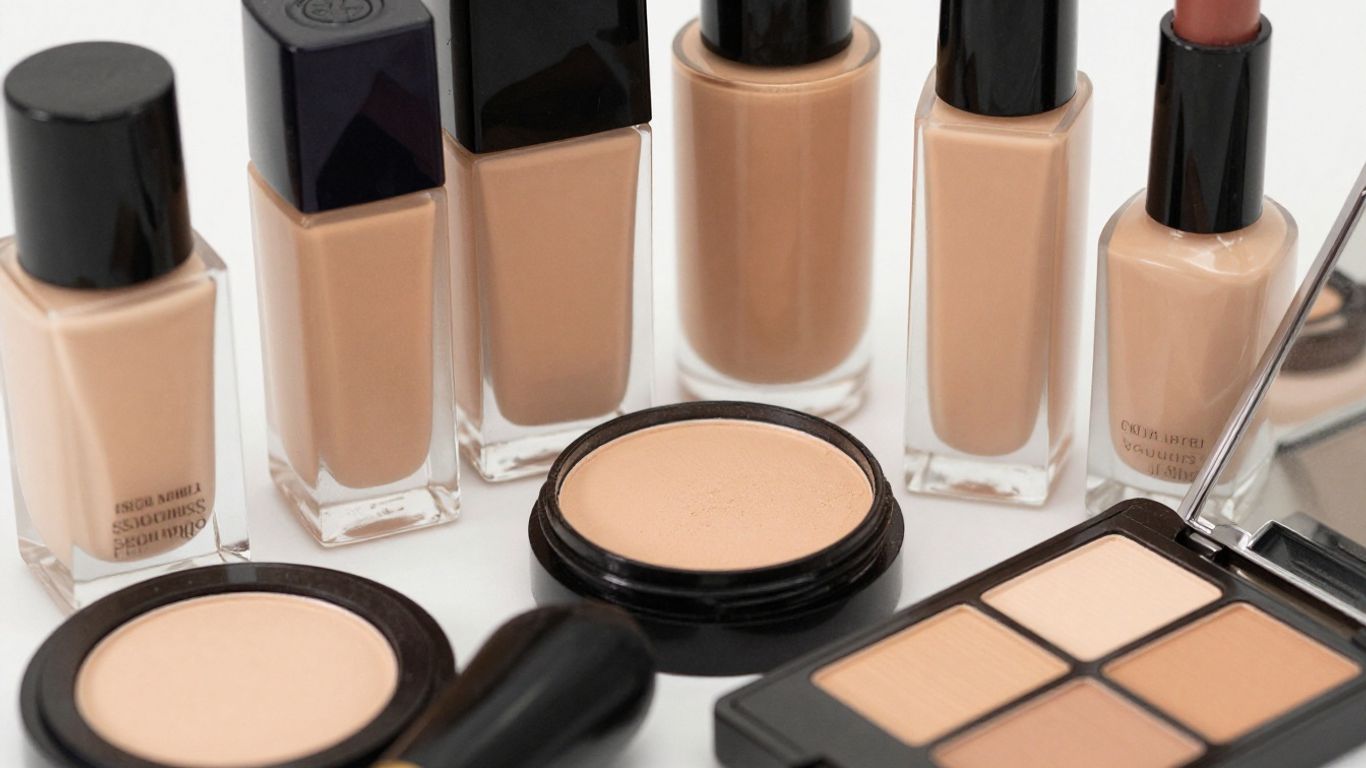
It's easy to fall into habits that unintentionally make acne-prone skin more upset. Sometimes, the very things we do to try and cover up breakouts can actually contribute to them. Let's talk about a few common slip-ups.
When considering products, remember that the 'non-comedogenic' label, while helpful, isn't a strict guarantee. This means brands can use the term without strict testing to prove their products won't clog pores. So, while it's a good starting point, it's not a guarantee. Always check the ingredient list too, especially for known pore-cloggers.
Speaking of ingredients, one common culprit many people overlook is talc. While it's often used in makeup for its absorbent qualities, it can be a pore-clogger for some individuals. If you notice your skin reacting poorly after using products with talc, it might be worth trying alternatives. You can find more information on ingredients to watch out for in clean beauty makeup.
Here are some other common mistakes to watch out for:
-
Not cleaning your makeup brushes regularly: Dirty brushes are a breeding ground for bacteria and old product. Think of them as tiny sponges soaking up all the gunk on your face and then smearing it back on. Aim to wash them at least once a week.
-
Sleeping in your makeup: This is a big one. Your skin needs to breathe and repair itself overnight. Leaving makeup on traps oil, dirt, and bacteria, leading to clogged pores and breakouts.
-
Over-exfoliating or using harsh scrubs: While exfoliation is good for removing dead skin cells, doing it too often or too aggressively can irritate your skin, damage its barrier, and actually make acne worse.
-
Touching your face frequently: Your hands touch everything throughout the day. Transferring that dirt and oil to your face is a direct route to clogged pores and pimples.
It's also worth noting that some people find that heavy, occlusive ingredients, even if labeled non-comedogenic, can still cause issues. Pay attention to how your skin feels and looks after using new products.
Making small adjustments to your routine can make a big difference. Being mindful of the products you use and how you apply them is key to keeping your skin happy and clear. Your skin's health is a journey, and understanding these common pitfalls is a great step forward.
Fable Cosmetics products for acne-prone skin
When you're dealing with skin that's prone to breakouts, finding makeup that works with your skin, not against it, can feel like a treasure hunt. When choosing makeup, it's always smart to check the ingredient list yourself. At Fable Cosmetics, we've put a lot of thought into creating formulas that are kind to acne-prone complexions.
We focus on using ingredients that are less likely to clog pores. You won't find heavy oils or silicones that can sit on the skin and cause issues. Instead, we opt for lighter, breathable ingredients. For example, all of our products are talc-free. While talc can sometimes be a pore-clogger for some people, we use carefully selected alternatives that deliver a smooth finish that give a smooth finish without the worry.
Here are some things we prioritize in our formulations:
-
Mineral-based ingredients: Think zinc oxide and titanium dioxide, which are not only gentle but can also have soothing properties.
-
Lightweight, breathable textures: Our powders are designed to feel barely there, allowing your skin to breathe.
-
Non-greasy formulas: We avoid ingredients known for leaving a heavy, oily residue.
Choosing makeup for acne-prone skin is really about being mindful of what you're putting on your face. It's about finding products that support your skin's health while still letting you feel confident and beautiful.
We believe you shouldn't have to compromise on performance or feel when you're looking for makeup that's suitable for your skin type. Our goal is to provide options that help you achieve the look you want without adding to your skin concerns. We've worked hard to make sure our makeup is a positive addition to your skincare routine.
Finding makeup that works with acne-prone skin comes down to reading ingredient labels and paying attention to how your skin responds. The right products are out there — it just takes knowing what to look for.
Frequently Asked Questions
What does 'non-comedogenic' really mean for my skin?
Basically, 'non-comedogenic' means a product is made in a way that it's less likely to block your pores. Think of it like this: if your pores get clogged, that's when pimples and blackheads can pop up. So, non-comedogenic makeup is designed to let your skin breathe and not cause those annoying breakouts.
Are there specific makeup ingredients I should watch out for if I get acne?
Definitely! Some ingredients can be pore-clogging villains. You'll want to keep an eye out for things like certain oils (coconut oil is a common one), lanolin, and some heavy emollients. Reading the ingredient list is your best defense against makeup that might make your acne worse.
What kind of makeup is usually good for skin that's prone to breakouts?
You're generally looking for lightweight formulas. Think mineral makeup, water-based foundations, and products labeled 'oil-free.' These tend to be gentler and less likely to cause problems. Makeup that lets your skin feel light and airy is usually a good bet.
Can I still wear foundation if I have acne?
Absolutely! The key is choosing the right kind. Look for foundations that are specifically labeled 'non-comedogenic' or 'oil-free.' Mineral foundations are often a great choice because they're made from natural minerals and are usually very gentle on the skin. Just make sure to remove it all before bed!
What about concealer? Is it safe for acne-prone skin?
Yes, you can use concealer! Just like foundation, pick ones that are non-comedogenic. Many brands offer concealers formulated for sensitive or acne-prone skin. You can use it to cover up blemishes without worrying about making them worse, as long as you choose wisely.
How important is it to remove all my makeup before sleeping?
It's super important! Sleeping in your makeup is like sealing all the dirt, oil, and product onto your skin overnight. This is a major invitation for clogged pores and breakouts. Always, always wash your face thoroughly before you hit the pillow.
Does Fable Cosmetics have products that are good for acne-prone skin?
Yes! Fable Cosmetics focuses on clean beauty, meaning their makeup is made with ingredients that are meant to be kind to your skin. All Fable products are talc-free and cruelty-free, which are great qualities for makeup that won't irritate or clog your pores. We aim for skin-loving ingredients.
What's the biggest mistake people make with makeup and acne?
One of the biggest mistakes is not checking the ingredient list and using products that are known to clog pores. Another common error is not cleaning your makeup brushes regularly – those can become breeding grounds for bacteria! And, of course, not removing your makeup properly at the end of the day is a huge no-no.

