


Discover how to find the best makeup for sensitive skin with our expert guide. Learn to identify common irritants like talc and fragrance, and get practical tips for reading ingredient labels, patch testing, and building a gentle, skin-friendly routine. Say goodbye to redness and irritation and enjoy makeup that works with your sensitive skin—not against it.
Dealing with sensitive skin can feel like a minefield when you just want to put on some makeup. You know the drill – one wrong product and suddenly your face is red, itchy, or breaking out. But finding the best makeup for sensitive skin doesn't have to be a frustrating quest. This guide is here to help you build a routine that works for you, keeping your skin happy and your makeup looking great. We'll break down what you need to know, from reading labels to picking the right products.
Key Takeaways
-
Sensitive skin in makeup means it reacts easily to certain ingredients, causing redness, itching, or breakouts.
-
Look for terms like 'hypoallergenic,' 'fragrance-free,' and 'dermatologist-tested' on labels.
-
Choose makeup with simple, gentle ingredients such as hyaluronic acid, ceramides, and natural oils.
-
Avoid common irritants like alcohol, synthetic fragrances, parabens, and sulfates in your makeup.
-
Build your routine step-by-step, starting with a gentle cleanser, moisturizer, and then makeup.
-
Always patch test new makeup products on a small area of skin before applying them all over your face.
-
Use clean brushes and applicators, and be gentle when applying makeup to avoid irritating your skin.
-
Consult a dermatologist if you consistently experience reactions or have ongoing skin concerns.
What does sensitive skin actually mean in a makeup context
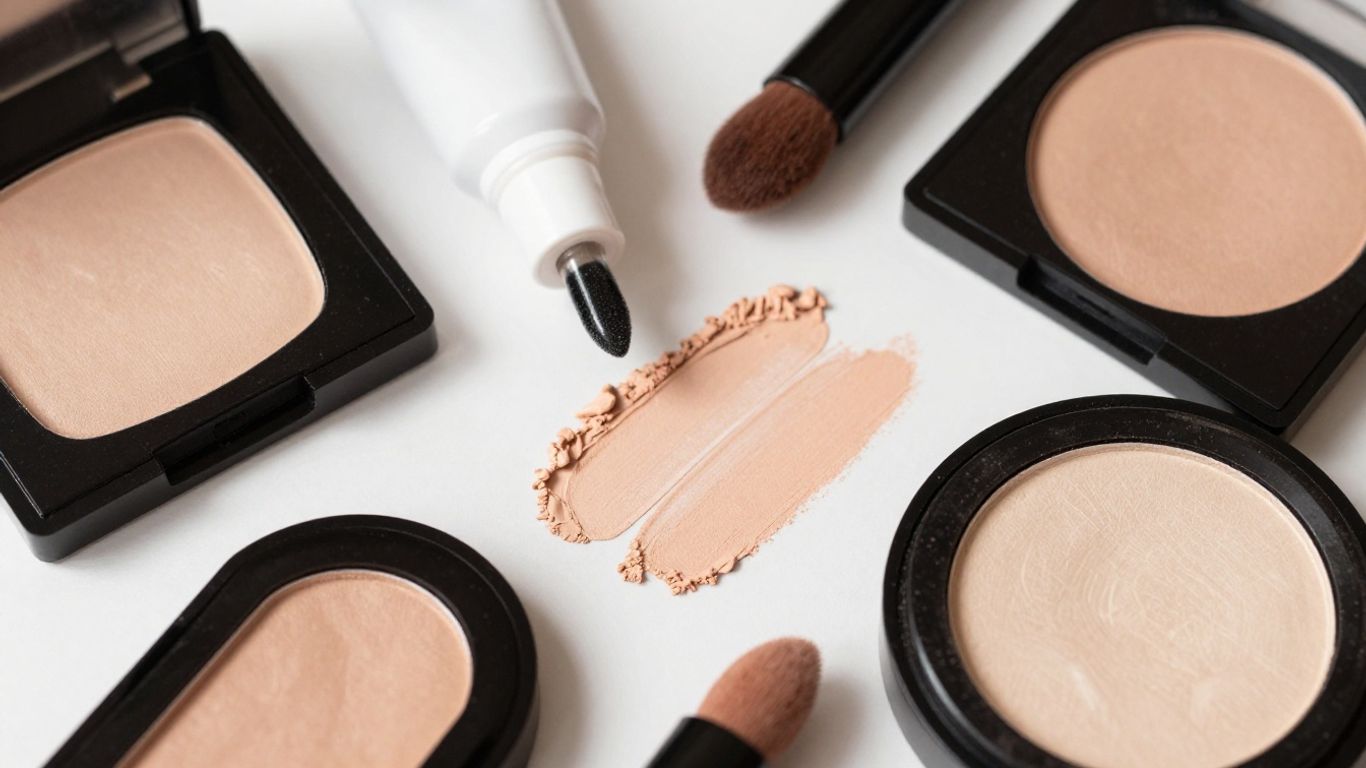
So, you've tried makeup, and it just hasn't worked out. Redness, itching, breakouts – sound familiar? It can feel like makeup just isn't an option for you, and honestly, that's a really frustrating place to be. When we talk about sensitive skin in the makeup world, it's not just about feeling a bit dry. It means your skin reacts more easily to certain things. Think of it like your skin having a lower threshold for irritation.
For many, the biggest culprits are often hidden in plain sight. Talc and fragrance are two of the most common triggers that can send sensitive skin into a tailspin. Talc, a mineral often used to absorb moisture and give makeup a smooth feel, can be drying and irritating for some. And fragrance? Well, that's a big one. Even if you can't smell it strongly, those scent compounds can be potent irritants. It's like trying to wear a scratchy sweater – it just doesn't feel good, and you want to take it off immediately.
When your skin is sensitive, it's basically telling you it needs a gentler approach. It doesn't mean you have to give up on makeup forever. It just means we need to be a bit more mindful about what we're putting on our face. It’s about finding products that work with your skin, not against it. We're looking for formulas that are kind, soothing, and won't cause that tell-tale redness or itchiness. It's a journey to find those gems that let you enjoy makeup without the worry of a reaction. You might be surprised at how many options are out there once you know what to look for, and how much better your skin can feel when you choose wisely. Finding the right products can make a world of difference, helping you feel more confident and comfortable in your own skin, even with a bit of makeup on.
The label terms that actually matter
It can feel like a minefield trying to find makeup that won't make your skin throw a fit, right? You've probably tried so many things, only to end up with redness, itching, or worse. It's enough to make anyone want to skip makeup altogether. But don't give up just yet! Sometimes, it's all about knowing what to look for – and what to steer clear of – on those ingredient lists.
When you're scanning the packaging, a few terms can be especially helpful if you have sensitive skin. Look for labels like “fragrance-free” and “talc-free,” as these ingredients are often linked to irritation for some people. Removing them can make a formula much gentler on the skin.
You may also see terms like “hypoallergenic” or “dermatologist-tested.” While these sound reassuring, they don’t always guarantee a product will be perfect for your specific skin type. These labels usually refer to how the product was tested, rather than confirming that certain ingredients have been excluded.
Here are some labels that tend to be more helpful:
-
Fragrance-Free: This means no added perfumes or scents. Sometimes, even "unscented" can have masking fragrances, so "fragrance-free" is usually the safer bet.
-
Talc-Free: Talc is a mineral that can sometimes be contaminated with asbestos, and it's a common trigger for irritation. Finding talc-free options is a smart move.
-
Dye-Free: Artificial colors can also be a source of sensitivity for some people.
-
Paraben-Free: Parabens are preservatives that some individuals find irritating.
It's easy to get overwhelmed by all the claims. Focus on the ingredients you know cause you trouble, like fragrance and talc, and look for products that explicitly state they've left those out. That's a solid starting point for building a routine that your skin will actually thank you for.
Reading ingredient lists can feel like learning a new language, but it gets easier. You're looking for products that are gentle and focus on ingredients that soothe, like those found in beneficial skincare ingredients. It's about making informed choices so you can enjoy makeup again without the worry. You deserve to feel good in your skin, and finding the right products is a big part of that journey. Remember, understanding makeup ingredients is key to avoiding those frustrating reactions.
Ingredients to look for in sensitive skin makeup
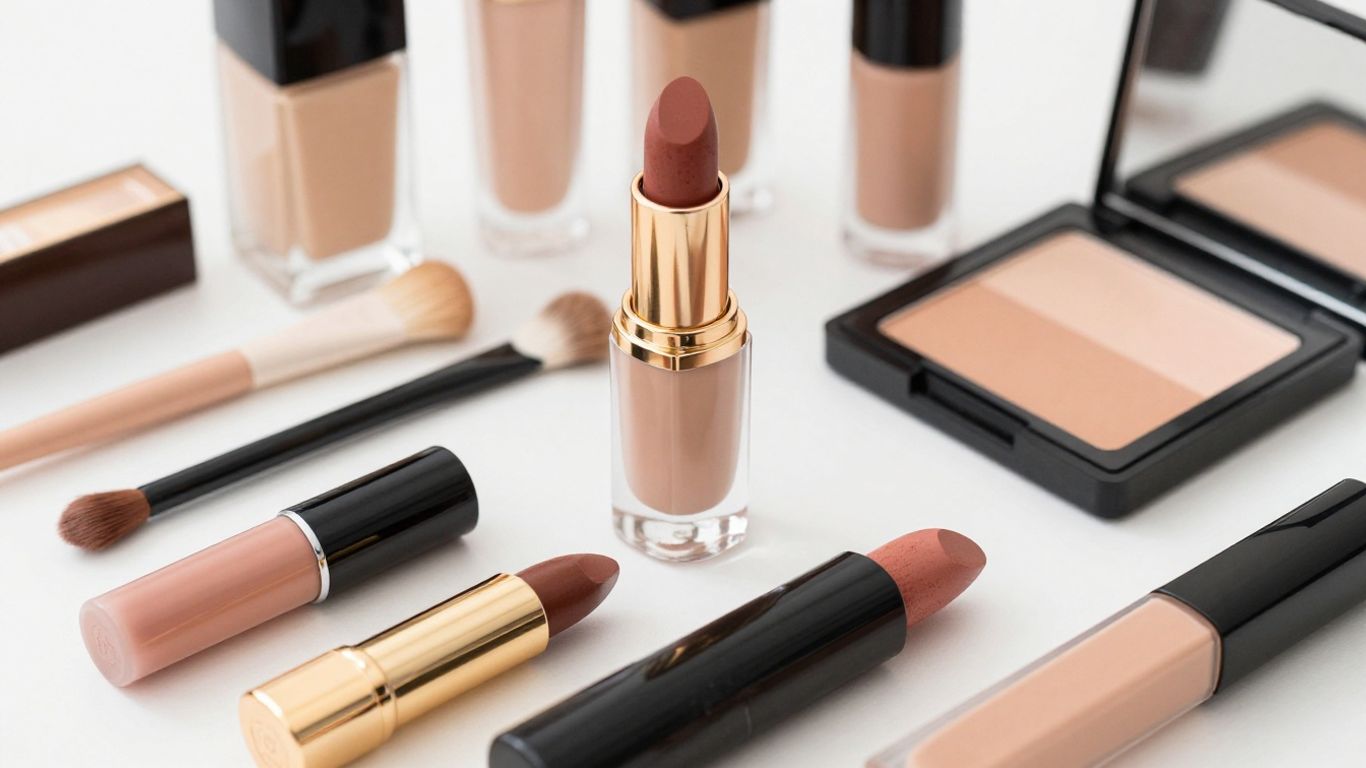
It can feel like you've tried everything, right? You pick out a pretty new foundation, maybe a blush, and then BAM – redness, itching, or those tiny bumps appear. It's enough to make anyone want to ditch makeup altogether. But what if we told you there are ingredients out there that are actually kind to your skin? It’s true! When you're building your makeup sensitive skin guide, focusing on the right ingredients is key.
Think of it like choosing gentle skincare. You want things that soothe, protect, and don't cause a fuss. For sensitive skin, this often means looking for formulas that are intentionally made to be less irritating. This is where terms like hypoallergenic makeup and fragrance-free makeup come into play, but we'll get to those. For now, let's talk about what's in the products.
What to Seek Out:
-
Mineral Makeup Sensitive Skin formulas are often a great starting point. These typically use natural minerals like zinc oxide and titanium dioxide. They sit on top of the skin rather than sinking in, which can be less irritating for many. Plus, zinc oxide has some nice anti-inflammatory properties.
-
Plant-derived oils and butters: Look for ingredients like shea butter, jojoba oil, or squalane. These can be really moisturizing and help create a smoother canvas without clogging pores or causing irritation for most people.
-
Soothing agents: Things like chamomile, calendula, or aloe vera can be wonderful additions. They have a reputation for calming down redness and irritation.
-
Glycerin: This is a humectant, meaning it draws moisture to the skin. It's a gentle way to keep your skin hydrated under makeup.
What to Watch Out For (We'll cover this more later, but a quick heads-up):
-
Talc: This is a big one for many people. While it gives makeup a smooth feel, it can be a trigger. Thankfully, there are tons of amazing talc-free options available now, often using ingredients like mica or cornstarch. You can find brands that are committed to talc-free formulations from the get-go.
-
Fragrance: This is probably the most common culprit for reactions. Even if it smells nice, that scent is often made of many different chemicals that can irritate sensitive skin. Always aim for fragrance-free.
Building a routine with clean makeup for reactive skin doesn't mean sacrificing quality or performance. It's about making informed choices that honor your skin's needs. You deserve to enjoy makeup without the worry of a reaction.
When you're looking at labels, don't be afraid to do a little digging. Many brands are becoming more transparent about their ingredients, which is fantastic news for all of us with sensitive skin. It might take a little trial and error, but finding those go-to products that make your skin happy is totally achievable.
Ingredients to avoid if you have sensitive skin
Okay, so you've tried makeup, and it's just... not worked out. Redness, itching, breakouts – it's enough to make anyone want to ditch makeup altogether. But before you give up, let's talk about what might be causing those reactions. Sometimes, it's not you; it's the ingredients.
Talc and fragrance are often the biggest culprits. You'll find talc in powders, foundations, and even some eyeshadows. It's used to absorb moisture and give products a smooth feel, but for sensitive skin, it can be really irritating. And fragrance? That's a huge one. Whether it's natural essential oils or synthetic perfumes, they're a common cause of allergic reactions and redness. It's why looking for fragrance-free options is so important.
Here are some other things to watch out for:
-
Alcohol: Not all alcohols are bad, but drying alcohols like SD alcohol, denatured alcohol, or isopropyl alcohol can strip your skin of its natural oils, leading to dryness and irritation. You might see them listed in toners or setting sprays.
-
Sulfates: Commonly found in cleansers, sulfates (like Sodium Lauryl Sulfate or SLS) can be harsh and strip your skin. While you're mostly thinking about makeup, remember your cleanser is part of the routine!
-
Certain Preservatives: Things like parabens and formaldehyde-releasing preservatives can be problematic for some. They're there to keep products from going bad, but they can also trigger sensitivities.
-
Chemical Sunscreens: While great for sun protection, some chemical filters (like oxybenzone or avobenzone) can cause reactions in very sensitive individuals. Mineral sunscreens with zinc oxide and titanium dioxide are often a better bet.
It can feel like a minefield trying to figure out what's safe. You've probably tried a few things that didn't work, and that's okay. It doesn't mean you can't wear makeup; it just means you need to be a bit more mindful of what's in the products you choose. Think of it as becoming a detective for your own skin.
It's easy to get overwhelmed by long ingredient lists. Don't feel like you need to memorize everything. Just start by looking for those big triggers: talc and fragrance. If a product has either, it might be worth skipping, especially if you're prone to reactions. You're building a routine that works for you, not against you.
Building a sensitive skin makeup routine product by product
It can feel like a huge bummer when you just want to put on a little makeup and end up with red, itchy skin. I get it. You might have even thrown in the towel, thinking makeup just isn't for you. But what if I told you it doesn't have to be that way? We can build a routine, step-by-step, that works with your skin, not against it. The biggest culprits for sensitive skin are often fragrance and talc, so we'll be keeping an eye out for those.
Let's start from the ground up. Think of this as a gentle introduction, not a full face overhaul all at once. We're aiming for comfort and calm.
-
Primer: This is your first line of defense. Look for primers that are silicone-based and free of fragrance. They can help smooth out your skin's texture and create a barrier between your skin and other products. Some even have soothing ingredients like niacinamide or centella asiatica.
-
Foundation: This is where many people run into trouble. Instead of a heavy, fragranced foundation, try a mineral powder foundation or a liquid formula that's specifically labeled for sensitive skin. These often have fewer ingredients overall, which means fewer chances for a reaction. Finding a foundation that feels good and looks natural is totally achievable.
-
Concealer: Similar to foundation, opt for fragrance-free and mineral-based options. You only need a little bit, so focus on finding one that blends well without irritation.
-
Blush/Bronzer: Cream blushes can be a good choice because they often have fewer powders and binders. If you prefer powder, look for mineral-based formulas. Again, fragrance-free is the golden rule here.
-
Eyeshadow: This can be tricky. Many eyeshadows contain dyes and talc. Mineral eyeshadows or cream eyeshadow sticks are often a safer bet. Start with just one or two neutral shades.
-
Mascara: Waterproof formulas can be harsh. Try a tubing mascara, which wraps around your lashes and rinses off with water, or a simple, fragrance-free formula. Always remove it gently.
-
Lips: Lipsticks can contain a lot of ingredients. Tinted balms or lip glosses with minimal, simple ingredient lists are usually the best way to go. Look for hydrating ingredients like shea butter or hyaluronic acid.
Remember, you don't need to use every single product. Start with just a few items that address your main concerns, like a good primer and a gentle foundation. It's all about finding what makes your skin happy. Transitioning to clean beauty products can also be a great way to simplify your routine and reduce potential irritants.
Building a routine is a journey, not a race. Be patient with yourself and your skin. Celebrate the small wins, like a day without redness or itching. You've got this!
Don't forget that consistent skincare is just as important as the makeup itself. Always start with a good moisturizer and consider a gentle cleanser to remove everything at the end of the day. This helps prepare your skin for makeup and ensures you're not leaving any potential irritants behind. You can find more tips on preparing your skin before makeup application.
How to patch test new makeup products
Okay, so you've found a few products that look promising, maybe even something that doesn't list talc or fragrance as a main ingredient. That's awesome! But before you go slathering it all over your face, let's talk about a little step that can save you a whole lot of heartache: the patch test. I know, I know, it sounds like a drag, especially when you just want to try out that new foundation. But trust me, after dealing with reactions, this is one step you really don't want to skip. It’s your secret weapon against a surprise breakout or a red, itchy mess.
Think of it like this: you wouldn't jump into a new workout routine without warming up, right? Patch testing is your skin's warm-up for a new product. It helps you see how your skin will react in a small, controlled area before committing to your whole face. This is especially important if you've had issues with things like talc or fragrance in the past, as those can be sneaky triggers.
Here’s a simple way to do it:
-
Choose your spot: The best places are areas where you might apply makeup but can easily hide if needed. Think behind your ear, along your jawline, or on your inner wrist. The inner arm is also a good spot, as this skin is sensitive and clear, providing a reliable indicator of how your skin will react to new products [3385].
-
Apply a small amount: Put a tiny bit of the product on your chosen spot. You don't need much, just enough to cover a small area.
-
Wait and watch: This is the most important part. Leave the product on for at least 24 hours, ideally 48 hours. During this time, keep an eye out for any redness, itching, burning, or bumps. If you don't see anything after 48 hours, you're probably in the clear for that product.
-
Cleanse and reapply (if needed): After the waiting period, gently wash the area. If you had no reaction, you can try applying it again for another day or two, just to be extra sure.
Remember, patience is key here. It might feel like a long time to wait, but a little bit of waiting now can prevent days or even weeks of dealing with a reaction later. Your skin will thank you for it.
If you do notice a reaction, don't feel discouraged. It just means that particular product isn't the right fit for you. There are so many options out there, and finding the right ones is a journey. This process helps you learn what works and what doesn't, getting you closer to that reaction-free makeup routine you deserve.
Application tips that protect sensitive skin
Okay, so you've found some makeup that doesn't make you want to scratch your face off. That's huge! Now, let's talk about how you actually put it on. It's not just about the ingredients; the way you apply things matters a lot, especially when your skin is easily upset. Think of it like this: you wouldn't scrub a delicate fabric, right? Your skin deserves that same gentle treatment.
First off, always start with clean hands. Seriously, wash them well before you even think about touching your face or your makeup. This stops you from transferring any extra gunk onto your skin. Then, consider a primer. A good primer can act like a buffer, creating a protective barrier between your skin and the makeup. This can really help prevent irritation and make your makeup last longer, which is a win-win.
When you're applying foundation or concealer, try using a damp makeup sponge or a soft brush instead of your fingers. Patting motions are your friend here, not rubbing or dragging. Rubbing can just irritate your skin and might even cause redness. For powders, especially if you've found talc-free options, use a light hand. You don't need to pack it on; a gentle sweep is usually enough.
Remember, less is often more. You're building a routine that works with your skin, not against it. Patience is key, and gentle application is non-negotiable.
Here are a few more things to keep in mind:
-
Clean your brushes and sponges regularly. Dirty tools can harbor bacteria and oils that can lead to breakouts and irritation. Aim to clean them at least once a week.
-
Avoid over-layering. If a product feels heavy or starts to feel uncomfortable, it might be too much. Stick to one or two layers where needed.
-
Be mindful of friction. Anything that causes rubbing or pulling, like harsh scrubbing or even tight headbands, can be a trigger. Be aware of your daily habits.
And when you're taking it all off at the end of the day? Use a gentle cleanser. No harsh scrubbing or rubbing allowed. You want to remove the makeup without stripping your skin of its natural oils. It might take a little trial and error to find the perfect cleanser, but it's worth it for happy skin.
When to see a dermatologist
It’s totally understandable if you’ve thrown in the towel on makeup. Dealing with constant reactions, especially when you suspect things like talc or fragrance are the culprits, can be so frustrating. You just want to feel good about yourself, and makeup can be a part of that, but not if it’s making you miserable.
If you’ve tried a few different products, even those labeled for sensitive skin, and you’re still experiencing redness, itching, or breakouts, it might be time to chat with a professional. Sometimes, what feels like a simple sensitivity could be something else, like eczema, rosacea, or even a contact dermatitis that needs a specific diagnosis.
Here are a few signs that a dermatologist visit could really help:
-
Persistent redness or flushing that doesn't go away.
-
Itchy patches that don't calm down with over-the-counter remedies.
-
Breakouts that look different from typical acne, or that appear in unusual patterns.
-
Anytime you notice blistering, peeling, or a burning sensation after using a product.
Don't feel like you have to suffer through this alone. A dermatologist can help pinpoint exactly what’s causing your skin to react, which is the first step to finding makeup that works for you. They can offer personalized advice and sometimes even prescribe treatments that can calm your skin down, making it more receptive to gentle makeup in the future. Think of them as your skin detective, helping you solve the mystery so you can finally enjoy makeup again without worry.
If you're worried about a skin issue, it's a good idea to see a skin doctor. They can help figure out what's going on and how to make it better. Don't wait to get clear, healthy skin. Visit our website to learn more about common skin problems and find solutions that work for you.
Frequently Asked Questions
What makes my skin
Sensitive skin means your skin easily gets red, itchy, or breaks out when it touches certain things. With makeup, it could be an ingredient that irritates your skin or something that just doesn't agree with you, causing a reaction like redness or bumps.
Are 'hypoallergenic' or 'natural' makeup labels good for sensitive skin?
Those labels can be a good starting point, but they don't always guarantee a product is safe for you. 'Hypoallergenic' means it's less likely to cause allergies, but it's not a strict rule. 'Natural' can mean different things, and some natural ingredients can still bother sensitive skin.
What are some good ingredients to look for in makeup for sensitive skin?
You'll want to find makeup with soothing ingredients like chamomile, calendula, aloe vera, or oatmeal. Things like hyaluronic acid are great for hydration without irritation, and ceramides help keep your skin barrier strong.
What ingredients should I definitely avoid if my skin is sensitive?
Steer clear of fragrances, alcohol (especially denatured alcohol), sulfates, and harsh preservatives. Also, watch out for certain dyes and essential oils, as these can often cause irritation or allergic reactions.
Can I still wear foundation if I have sensitive skin?
Absolutely! Look for foundations labeled 'for sensitive skin' or those with minimal ingredients. Mineral foundations are often a good choice because they tend to have fewer irritants. Always check the ingredient list!
What about sensitive eye makeup, like mascara or eyeliner?
For eyes, choose formulas that are specifically made for sensitive eyes. These are usually free from common irritants like fragrances and parabens. Hypoallergenic mascaras and ophthalmologist-tested eyeliners are your best bet.
Is it okay to use blush and bronzer with sensitive skin?
Yes, you can! Opt for cream blushes or powder formulas that are talc-free and fragrance-free. Mineral-based blushes and bronzers are often gentler on the skin and less likely to cause a reaction.
How do I know if a new makeup product will work for me?
The best way is to do a patch test! Apply a small amount of the product to a discreet area, like behind your ear or on your inner arm. Wait 24-48 hours to see if any redness, itching, or irritation pops up.
What's the best way to apply makeup to avoid irritating my sensitive skin?
Be gentle! Use clean brushes or your fingertips, and avoid rubbing or tugging at your skin. Apply products with light, patting motions. And always remember to remove your makeup thoroughly before bed.
How important is it to remove all my makeup?
Super important! Leaving makeup on overnight can clog pores and irritate your skin, especially if it's sensitive. Using a gentle cleanser to remove every trace ensures your skin can breathe and recover.
Can clean beauty brands help my sensitive skin?
Many clean beauty brands focus on using simpler, skin-loving ingredients and avoiding common irritants. Brands like Fable Cosmetics, for example, are talc-free and cruelty-free, which can be great for sensitive skin because they're mindful of what they put in their products.
When should I think about seeing a skin doctor?
If you're constantly having bad reactions to makeup, or if your skin is very red, itchy, or painful, it's a good idea to see a dermatologist. They can help figure out exactly what's causing the problem and give you personalized advice.

