


Ever wondered why talc pops up in so many makeup products? You know, the stuff in your foundation or eyeshadow? It’s a common ingredient, but you might have heard some chatter about it. Let's get into why is talc bad in makeup and what you should know before you swipe on that blush.
Key Takeaways
-
Talc is a mineral used in makeup for its texture and ability to absorb oil.
-
The main worry with talc is potential asbestos contamination, as they can be found together in the earth.
-
Asbestos is a known carcinogen, and its presence in makeup is a serious health concern.
-
Studies on talc's direct link to cancer have mixed results, but the risk of contamination is real.
-
Regulations around talc purity in cosmetics aren't as strict as you might think.
-
There are plenty of great makeup options out there that don't use talc.
-
Switching to talc-free makeup is easier than you think.
-
Brands like Fable Cosmetics have always prioritized safety by being talc-free.
What is talc and why is it in so many cosmetics
You’ve probably seen talc listed as an ingredient in your makeup, maybe in your foundation, blush, or even eyeshadow. But what exactly is it, and why has it been a go-to for so long? Talc is a mineral, basically a hydrated magnesium silicate, that’s mined from the earth. It’s known for its incredibly soft texture and its ability to absorb moisture. This makes it super useful in cosmetics for a few key reasons:
-
Texture and Feel: Talc gives makeup that silky-smooth glide. It helps products blend easily into your skin, creating a soft-focus effect that can minimize the appearance of pores and fine lines.
-
Absorption: It’s a champ at soaking up oil and sweat. This is why it’s often found in powders and foundations, helping to keep your makeup looking fresh and matte throughout the day.
-
Binding: Talc can help hold other ingredients together, making makeup products more cohesive and easier to apply evenly.
-
Color: It can act as a base for pigments, helping to create vibrant and consistent color in makeup.
Because of these properties, talc has been a staple in the beauty industry for decades. It’s affordable and effective, which is why you’ll find it in a huge range of products, from drugstore brands to high-end labels. It’s a workhorse ingredient that contributes to the performance and feel of many makeup items you might already own. It’s the ingredient that helps makeup feel luxurious and perform well.
The widespread use of talc in cosmetics is largely due to its functional benefits and cost-effectiveness. It’s a mineral that’s easy to source and process, making it an attractive option for manufacturers looking to achieve specific textures and finishes in their products.
When you’re looking at the ingredient list on your favorite products, you might notice talc popping up frequently. Understanding why it’s there is the first step in making informed choices about the talc in cosmetics you use. It’s all about knowing what’s in your makeup and how it works.
The core problem: talc and asbestos contamination
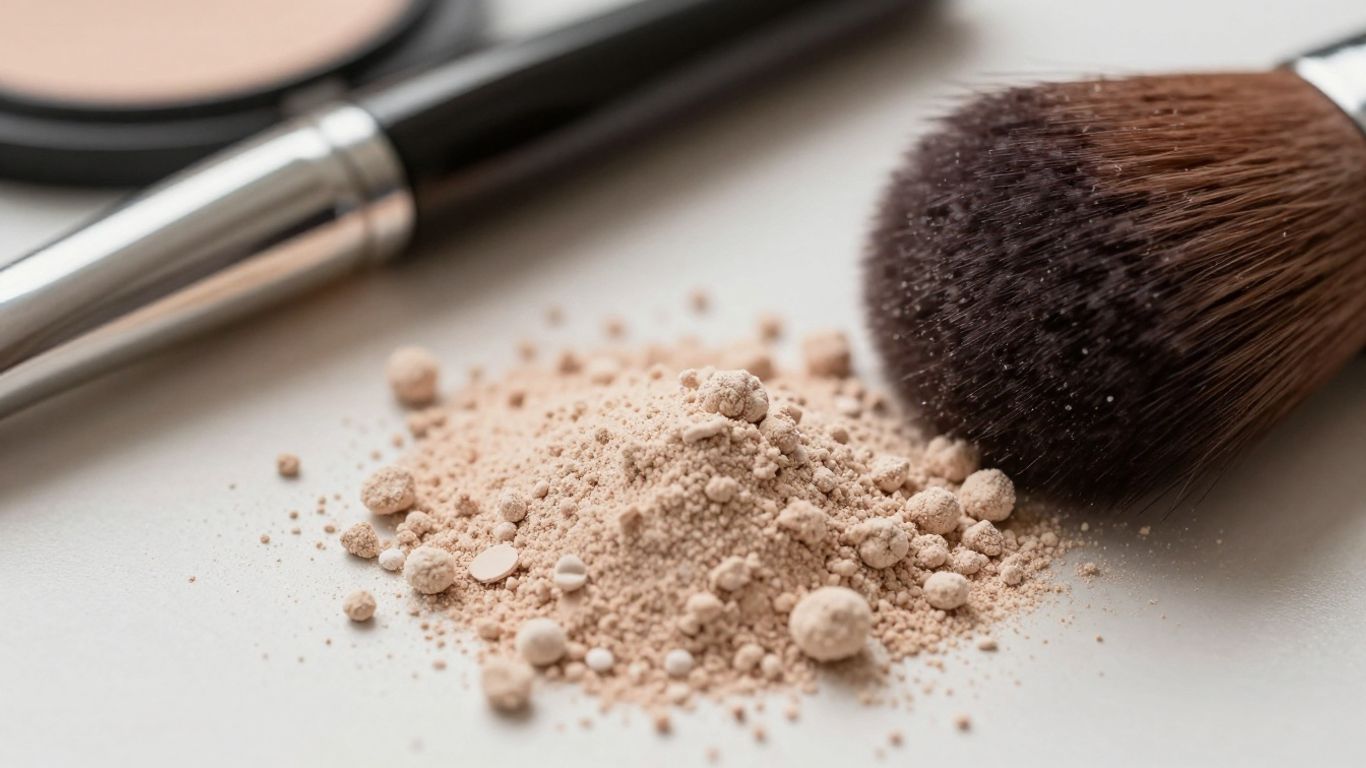
So, what's the big deal with talc in makeup? It all comes down to something called contamination. Talc is a mineral, and it's mined from the earth. The problem is, sometimes, where talc is mined, asbestos is also found. These two minerals can occur naturally very close to each other, and it's really hard to separate them completely.
This is where the risk really lies: the potential for asbestos to be present in talc-based cosmetics. Asbestos is a known carcinogen, meaning it's linked to cancer, particularly lung cancer and mesothelioma. Because talc and asbestos can be found together in the ground, there's a chance that asbestos fibers can end up in the talc that's then used in your makeup.
Think of it like this:
-
Mining: Talc is dug out of the ground.
-
Proximity: Asbestos often forms in the same geological areas.
-
Separation: It's incredibly difficult and expensive to guarantee 100% asbestos-free talc.
-
Cosmetics: If not perfectly purified, asbestos-contaminated talc can make its way into products you use every day.
This isn't just a theoretical worry. There have been instances where talc products, including some cosmetics, have been found to contain asbestos. This has led to recalls and a lot of concern among consumers and health advocates.
The natural co-occurrence of talc and asbestos in the earth's crust makes complete separation a significant challenge, raising valid questions about the safety of talc in products applied directly to the skin and potentially inhaled.
Because of this, many brands, including us at Fable Cosmetics, have chosen to avoid talc altogether. We believe you shouldn't have to worry about what might be lurking in your makeup. From the very beginning, our goal was to create beautiful products that you could feel good about using, and that meant saying no to ingredients with potential safety concerns like talc.
Health risks associated with talc in makeup
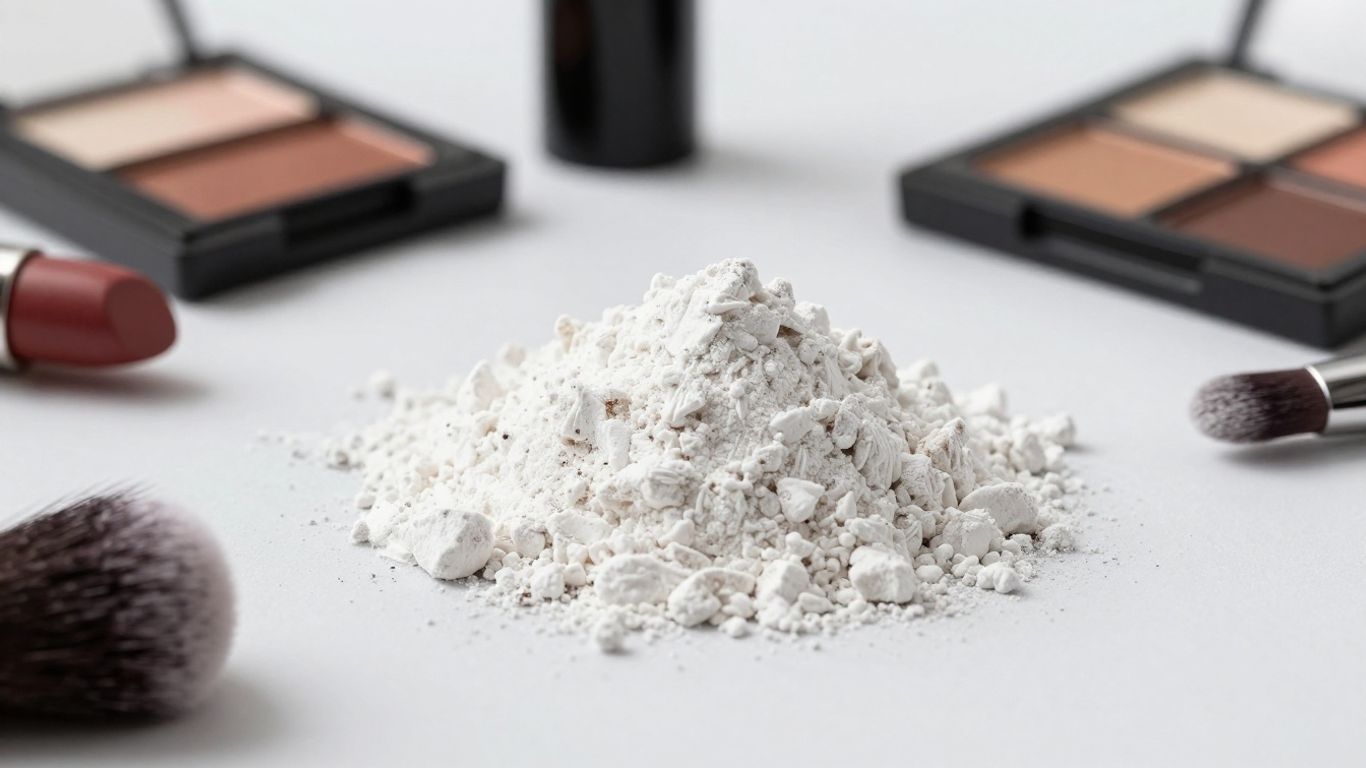
In addition to concerns about asbestos contamination, some studies have explored whether talc itself could be a health risk. For example, there has been debate about a possible link between talc and ovarian cancer when used in feminine hygiene products, though the evidence here remains mixed and less conclusive. In makeup, the primary concern is about inhalation, especially with powder products.
-
Asbestos Contamination: This is the most serious risk. Asbestos is a known carcinogen.
-
Inhalation Risks: Fine powder particles, including talc, can be inhaled into the lungs.
-
Ovarian Cancer Concerns: While debated and primarily linked to feminine hygiene products, some studies have explored a potential connection.
Awareness is growing, and many brands are moving away from talc altogether. Understanding these potential health risks associated with talc in makeup is the first step in making more informed choices for your beauty routine.
What the research actually says
It can feel a bit overwhelming when you hear conflicting information about ingredients like talc. You might wonder, 'What's the real story here?' Let's break down what the science is telling us, without all the noise.
When we talk about talc and health, the main concern often comes back to potential asbestos contamination. Asbestos is a known carcinogen, and because talc and asbestos can be found together in the earth, there's a worry that talc used in cosmetics might contain it. However, it's important to know that cosmetic-grade talc is supposed to be tested for asbestos. The issue is that testing methods and regulations can vary, which is where some of the confusion arises.
Studies looking into the link between talc and health issues, particularly ovarian cancer, have produced mixed results. Some research has suggested a possible association, while others have found no significant link. It's a complex area, and scientists are still working to understand all the factors involved. The scientific community generally agrees that more research is needed to draw definitive conclusions.
Here's a quick look at some of the findings:
-
Ovarian Cancer Studies: Early studies sometimes showed a correlation, but later, more robust research, including large cohort studies, hasn't consistently supported a causal link. Differences in study design, talc sources, and application methods might explain some of the discrepancies.
-
Lung Cancer Risk: For talc used in industrial settings or inhaled directly, there's a clearer link to lung issues. However, the risk profile for cosmetic talc, applied externally, is considered different.
-
Other Health Concerns: Some people have concerns about talc and skin irritation or other conditions, but these are generally less studied than the asbestos connection.
It's also worth noting that the way talc is used in makeup matters. For instance, when used as a setting powder, it's applied to the skin's surface. This is different from talc that might be inhaled or ingested.
The scientific landscape is always evolving. What we know today might be refined tomorrow with new discoveries. It's about staying informed with the best available information and making choices that feel right for you. The focus is shifting towards understanding ingredient safety through rigorous testing and transparent practices.
The regulatory gap you should know about
It might surprise you to learn that in the United States, the regulation of cosmetic ingredients, including talc, is surprisingly hands-off. Unlike food and drugs, which have pretty strict oversight from the FDA, cosmetics operate in a bit of a gray area. The FDA can step in if a product is found to be unsafe or mislabeled, but the onus is largely on the manufacturers to ensure their products are safe before they hit the shelves. This means there isn't a pre-market approval process for cosmetic ingredients like talc.
This lack of stringent pre-market testing is a key reason why concerns about talc contamination have persisted for so long.
Here's a quick look at how it generally works:
-
Manufacturer Responsibility: Companies are responsible for making sure their products and ingredients are safe for consumers to use as intended.
-
FDA's Role: The FDA monitors the market and can take action against unsafe or misbranded products after they are already being sold.
-
No Ingredient Approval: Unlike some other countries, the U.S. doesn't have a system where cosmetic ingredients are reviewed and approved by a regulatory body before they can be used.
This regulatory setup means that consumers often rely on brand transparency and independent testing to understand the safety of ingredients. It puts a lot of trust in the companies making the products, and that's where understanding a brand's commitment to safety really comes into play. At Fable Cosmetics, we believe you deserve to know exactly what's in your makeup, which is why we've been committed to being talc-free from the very beginning. We started Fable because we wanted makeup that was not only beautiful but also made with ingredients you could feel good about, without any question marks.
Safe alternatives to talc in clean makeup
So, you're wondering about talc and if it's safe in makeup, right? It's totally understandable to want to know what's going on your skin. The good news is, the world of makeup has really stepped up, and there are some fantastic alternatives out there that give you that smooth finish without the worry. You don't have to sacrifice performance for peace of mind.
Many brands are now focusing on what's called clean beauty, which means they're really careful about the ingredients they use. This often means saying goodbye to talc and hello to ingredients that feel just as good, if not better. Think about things like:
-
Rice or Corn Starch: These are super common and work wonders for absorbing oil and giving you a soft-focus look. They're gentle and effective, making them a great base for powders.
-
Mica: This is a mineral that gives makeup a lovely subtle shimmer and slip. It's often used in blushes and highlighters, but can also be found in powders for a smooth application.
-
Arrowroot Powder: Another natural option, arrowroot is known for its silky texture and its ability to mattify the skin. It's a favorite for those with sensitive skin.
-
Kaolin Clay: This gentle clay is great for absorbing excess oil without drying out your skin. It helps create a smooth canvas and can be found in foundations and powders.
When you're looking for a talc-free setting powder, keep an eye out for these ingredients. They can help set your makeup, reduce shine, and give your skin a lovely, soft appearance. It’s all about finding what works best for your skin type and your makeup routine.
Making the switch to talc-free options is easier than you might think. It's not about throwing everything out, but about making conscious choices for the products you use most often. You'll find that many of these alternatives perform just as well, if not better, than their talc-based counterparts, offering a smoother feel and a more natural finish.
At Fable Cosmetics, we've always believed in creating makeup that's as kind to your skin as it is beautiful. That's why we've been talc-free from day one. We wanted to offer you products you could feel really good about using, without any of the guesswork or worry. It’s our way of making sure your makeup routine is a moment of joy, not a source of concern.
How to transition your makeup bag away from talc
Ready to make the switch to a cleaner makeup routine? It might feel a little daunting at first, but transitioning your makeup bag away from talc is totally doable and honestly, pretty exciting! Think of it as a fresh start for your beauty collection.
First things first, let's do a little inventory. Grab your makeup and go through it item by item. Check the ingredient lists for "talc." It's often found in powders, foundations, blushes, eyeshadows, and even some concealers. Don't worry if you find it in a few things; most of us have been there! Making informed choices is the first step to a healthier routine.
Once you know what you're working with, you can start planning your replacements. Look for products that specifically state they are talc-free. Many brands are now making this information clear on their packaging. You might be surprised at how many amazing options are out there. For instance, you can find fantastic alternatives that use ingredients like cornstarch, rice powder, or kaolin clay as fillers. These can give you that smooth finish without the potential risks associated with talc. Exploring talc-free makeup benefits can give you a good idea of what to look for.
Here’s a simple plan to get you started:
-
Identify: Go through your current makeup and list any products containing talc.
-
Research: Look for talc-free alternatives for the items on your list. Read reviews and check ingredient transparency.
-
Replace Gradually: You don't have to toss everything at once! As you finish up a talc-containing product, replace it with a talc-free option.
-
Experiment: Try out different brands and formulations to find what works best for your skin and preferences.
Making the switch is more about adding good-for-you ingredients than taking away. It's about choosing products that align with your wellness goals and make you feel good, inside and out. This journey is personal, and every small step counts.
Don't forget to consider your favorite makeup brushes and sponges too! Keeping them clean is super important for overall skin health, regardless of the ingredients in your makeup. A good brush cleaning routine can make a big difference.
This whole process is about empowering yourself with knowledge and making choices that feel right for you. It’s not about perfection, but progress.
Why Fable Cosmetics has been talc-free from day one
From the very beginning, Fable Cosmetics was built on a different idea. We looked at the makeup world and saw so many products using talc, and honestly, we just weren't comfortable with it. The potential for asbestos contamination, even if small, felt like a risk we didn't want to take with your skin. So, we decided to do things differently.
Our whole philosophy is about creating makeup that's not only beautiful but also genuinely good for you. That means carefully choosing every single ingredient. We wanted to make sure that when you reached for Fable, you knew you were getting something clean and safe. It’s about transparency and trust, plain and simple.
We spent a lot of time researching and testing different ingredients to find the best alternatives. Things like mica, corn starch, and silica can give makeup that smooth texture and finish without the concerns associated with talc. It wasn't always easy, but we were committed to finding formulas that performed beautifully. You can see this commitment in our Chapter One palette, which was one of our first clean beauty creations.
We believe you shouldn't have to compromise your health for beauty. That's why we've always focused on skin-loving ingredients that feel good and look amazing. It’s our way of making makeup a little bit better, for everyone. We started Fable because we wanted makeup that we could feel truly good about using ourselves, and we wanted to share that with you.
From the very beginning, Fable Cosmetics has chosen to be free of talc. We believe in creating makeup that is not only beautiful but also safe for you. Discover our clean beauty products and see the difference for yourself. Visit our website today to explore our collection!
So, what's the takeaway?
We've covered why talc might not be the best ingredient to have in your makeup bag, but the good news is that there are more talc-free options than ever before. You can still enjoy a flawless finish and vibrant color without the worry. Check ingredient lists, try out clean beauty brands, and make choices that feel right for you and your skin.
Frequently Asked Questions
What exactly is talc, and why do makeup companies use it?
Talc is a mineral that comes from the earth. It's super soft and helps makeup feel smooth on your skin. Think of it like a filler that makes powders less cakey and helps them spread evenly. It also makes makeup last longer and can give you that matte look you might want.
Is talc in makeup always dangerous?
The main worry isn't talc itself, but what it might be mixed with. Talc can sometimes be found near asbestos, which is a known cancer-causing material. If talc isn't mined carefully, tiny bits of asbestos could end up in your makeup. That's the big concern.
What's the difference between talc and asbestos?
Talc is a mineral used in lots of products, including makeup and baby powder. Asbestos is another mineral, but it's known to cause serious health problems like lung cancer and mesothelioma when inhaled. The problem is that they can be found together in the ground, and sometimes asbestos gets into talc during mining.
What health problems can talc cause?
If talc is contaminated with asbestos and you inhale it, it can lead to serious health issues over time, including certain types of cancer. There have also been some older studies looking at whether talc particles in general, even without asbestos, could cause problems, but the asbestos link is the most significant concern.
How do I know if my makeup has talc in it?
You can usually find out by checking the ingredient list on the product's packaging or the company's website. Look for 'talc' listed among the ingredients. Sometimes companies are upfront about being talc-free, which makes it easier for you!
Are there any rules about talc in makeup?
In the US, the rules aren't super strict. The FDA monitors cosmetics, but they can't ban ingredients like talc unless there's clear proof of harm. Companies are responsible for making sure their products are safe, but the testing for asbestos contamination in talc isn't always required by law, which leaves a gap.
What are some good alternatives to talc in makeup?
Lots of brands are now using other natural ingredients that work just as well! Things like cornstarch, rice powder, mica, kaolin clay, and tapioca starch are common. They give makeup a nice feel and finish without the potential risks associated with talc.
What does 'clean beauty' mean when it comes to talc?
Clean beauty usually means brands focus on using ingredients that are considered safer and more transparent. For a brand like Fable Cosmetics, it means they've chosen to avoid talc altogether, even if it's technically allowed. They prioritize ingredients that are gentle on your skin and don't carry the same risks.
How can I tell if a brand is really talc-free?
The best way is to look for clear statements from the brand itself. Many clean beauty brands will proudly advertise that they are talc-free on their packaging and website. You can also check ingredient lists carefully. If a brand is transparent about its ingredients, it's usually a good sign.
Is it hard to find makeup without talc?
It used to be, but not anymore! More and more brands, especially those focused on clean beauty, are making talc-free options. You can find everything from foundations and powders to eyeshadows and blushes without talc. It's becoming much easier to make safer choices.
If I have makeup with talc, should I throw it all away?
It's not necessarily an immediate emergency. The biggest concern is talc contaminated with asbestos. If you're worried, you can check the ingredients. If it's talc-free, great! If it contains talc and you're concerned about potential asbestos, you might consider replacing those specific products when you run out, especially if you use them frequently or inhale a lot of powder.
Why did Fable Cosmetics decide to be talc-free from the start?
Fable Cosmetics believes that beauty should be safe and transparent. They wanted to create makeup that you could feel good about using, so they made the choice to avoid talc and potential contaminants like asbestos right from the beginning. It's part of their commitment to offering cleaner, skin-loving options for everyone.

