


Ever wonder what's really in your makeup bag? You pick out products based on how they look, how they feel, or maybe a friend's recommendation. But have you stopped to think about the ingredients? It's easy to get caught up in pretty packaging and marketing buzzwords, but what's on the back of the label can actually make a big difference to your skin and your health. We're going to talk about some common toxic makeup ingredients to avoid so you can make smarter choices for your beauty routine.
Key Takeaways
-
Many makeup products contain ingredients that aren't great for your health.
-
Parabens, synthetic fragrance, talc, formaldehyde-releasers, and PFAS are common culprits.
-
Heavy metals like lead and arsenic can sometimes be found in makeup.
-
Look out for phthalates, petroleum products, BHA/BHT, and oxybenzone too.
-
Knowing what to avoid helps you choose safer, cleaner beauty options.
Why your ingredient list matters more than marketing claims
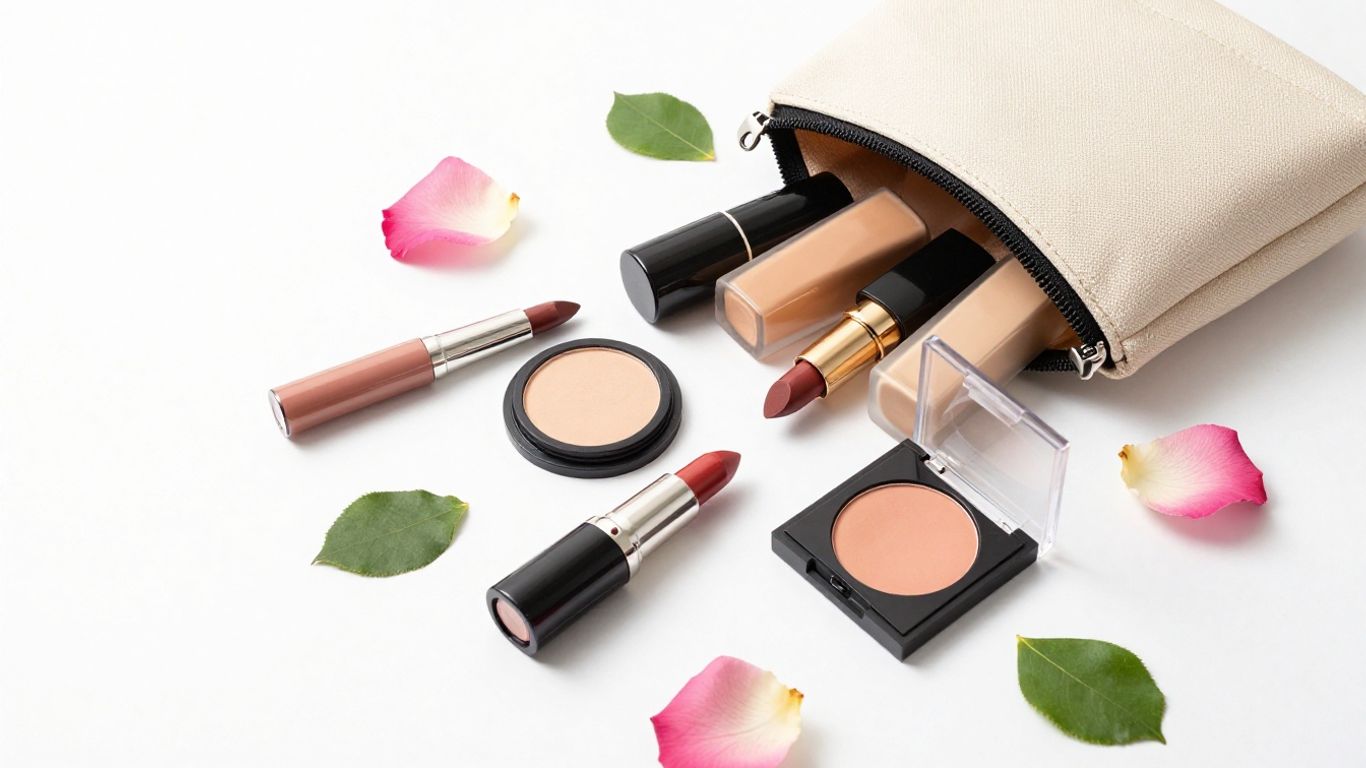
So, you're scrolling through Instagram, seeing all these gorgeous makeup looks and catchy slogans. "Natural Glow!" "Pure Radiance!" "Dermatologist Approved!" It's easy to get swept up in the hype. But here's a little secret: the real story of what's in your makeup is hidden in the ingredient list. Those fancy claims can sometimes mask some pretty questionable stuff. Think of it like buying food – you wouldn't just grab anything that looks pretty on the package; you'd check the ingredients to see what you're actually eating. Your skin is your body's largest organ, and what you put on it gets absorbed. So, understanding what's in your makeup is way more important than any marketing buzzword.
The 10 toxic makeup ingredients to know and avoid
Let's break down some of the common culprits you might want to steer clear of. Knowing these can help you make smarter choices for your skin and your health. It's not about being scared, but about being informed so you can choose products that truly work for you, not against you. We're talking about harmful chemicals in makeup that can pop up in unexpected places.
1. Parabens
-
What they are: A group of common preservatives used to prevent bacteria and mold growth in cosmetics. Think methylparaben, propylparaben, butylparaben.
-
Where they appear: Found in a huge range of makeup, from foundations and mascaras to lipsticks and skincare.
-
Why they're a concern: Parabens in cosmetics can mimic estrogen in the body, and some studies suggest they're linked to endocrine disruption. They can also cause skin irritation for some people.
-
What to use instead: Look for makeup that uses alternative preservatives like phenoxyethanol (though some people are sensitive to this too), potassium sorbate, or sodium benzoate. Many brands are now formulating without parabens altogether.
2. Synthetic fragrance / parfum
-
What it is: This is a catch-all term for potentially hundreds of different chemicals used to give products a pleasant scent. The exact ingredients don't have to be disclosed.
-
Where it appears: Almost everywhere! If a product has a scent – floral, fruity, fresh – it likely contains synthetic fragrance.
-
Why it's a concern: These can be major skin irritants and allergens. Plus, many fragrance chemicals are linked to health issues like asthma and headaches. It's one of the trickiest things to avoid in makeup because it's so common.
-
What to use instead: Opt for products labeled "fragrance-free" or scented only with natural essential oils (though be mindful that even essential oils can be irritants for some). Always patch-test if you have sensitive skin.
3. Talc (and asbestos contamination risk)
-
What it is: A mineral often used in powders to absorb moisture, improve texture, and prevent caking.
-
Where it appears: Commonly found in pressed powders, foundations, eyeshadows, and blush.
-
Why it's a concern: The main worry with talc is potential contamination with asbestos, a known carcinogen, during mining. Even "asbestos-free" talc has raised some questions about its safety. You can read more about the talc and asbestos connection on our blog.
-
What to use instead: Look for powders made with alternatives like corn starch, rice starch, mica, or silica. These can provide a similar smoothing effect without the associated risks.
4. Formaldehyde-releasing preservatives
-
What they are: Chemicals that slowly release small amounts of formaldehyde over time to preserve products. Examples include DMDM hydantoin, imidazolidinyl urea, and quaternium-15.
-
Where they appear: Often found in liquid foundations, mascaras, and eyeliners.
-
Why they're a concern: Formaldehyde is a known carcinogen and can cause allergic reactions and skin irritation.
-
What to use instead: Choose makeup that uses safer preservative systems. Look for products free from these specific chemicals.
5. PFAS / forever chemicals
-
What they are: A group of chemicals used to make products more water- and stain-resistant, and to give a smooth, slippery feel.
-
Where they appear: Often found in long-wear foundations, lipsticks, and eyeliners.
-
Why they're a concern: PFAS are called "forever chemicals" because they don't break down easily in the environment or the body. They've been linked to a range of health issues, including immune system effects and increased cholesterol levels.
-
What to use instead: Look for brands that specifically state their products are PFAS-free. This is a newer area of concern, so transparency from brands is key.
6. Heavy metals (lead, arsenic)
-
What they are: Trace amounts of metals like lead, arsenic, mercury, and cadmium can sometimes be found in color cosmetics.
-
Where they appear: Primarily in color cosmetics like lipsticks and eyeshadows, due to pigments used.
-
Why they're a concern: Even in small amounts, chronic exposure to heavy metals is linked to neurological damage, developmental issues, and other serious health problems. While regulations exist, they aren't always strict enough to guarantee zero contamination.
-
What to use instead: Many clean beauty brands test their products rigorously for heavy metals and ensure they are below detectable limits. Look for brands that are transparent about their testing and sourcing.
7. Phthalates
-
What they are: A group of chemicals often used to help fragrances last longer and to make plastics more flexible. In cosmetics, they're often hidden under the term "fragrance."
-
Where they appear: Can be found in nail polish, hair spray, and scented lotions and makeup.
-
Why they're a concern: Phthalates are known endocrine disruptors, meaning they can interfere with your body's hormone system. They've been linked to reproductive issues and other health concerns.
-
What to use instead: Seek out "phthalate-free" products. For nail polish, look for "3-free," "5-free," or "10-free" formulas, which exclude various harmful chemicals, including phthalates.
8. Petroleum-derived ingredients
-
What they are: Ingredients like mineral oil, petrolatum, and paraffin wax, which are byproducts of petroleum.
-
Where they appear: Used in lip balms, moisturizers, and some foundations for their occlusive properties (they create a barrier on the skin).
-
Why they're a concern: While generally considered safe for topical use, concerns exist about potential contamination with harmful compounds like polycyclic aromatic hydrocarbons (PAHs). Plus, they're not the most sustainable choice.
-
What to use instead: Opt for plant-based oils and butters like jojoba oil, shea butter, cocoa butter, and squalane. These provide similar moisturizing benefits without the petroleum connection.
9. BHA and BHT
-
What they are: Synthetic antioxidants used as preservatives in cosmetics.
-
Where they appear: Found in lipsticks, moisturizers, and other makeup products.
-
Why they're a concern: BHA (Butylated hydroxyanisole) is listed as a possible human carcinogen by some health organizations. Both BHA and BHT (Butylated hydroxytoluene) can cause skin allergies and may disrupt hormone function.
-
What to use instead: Look for products preserved with natural antioxidants like tocopherol (Vitamin E) or rosemary extract.
10. Oxybenzone
-
What it is: A chemical UV filter commonly found in sunscreens, but also sometimes included in makeup with SPF.
-
Where it appears: Makeup products that offer sun protection.
-
Why it's a concern: Oxybenzone is a known endocrine disruptor and allergen. It's also a major concern for coral reefs and marine life.
-
What to use instead: Choose makeup with SPF that uses mineral filters like zinc oxide and titanium dioxide. These are generally considered safer for both your health and the environment.
What clean beauty actually means for your routine
So, what does "clean beauty" really mean when you're looking at all these ingredients? It's not just a trendy buzzword. For us, it means formulating products with ingredients that are safe, effective, and ethically sourced. It means saying no to the questionable stuff we just talked about and saying yes to nourishing, skin-loving components. It’s about transparency and making sure you know exactly what you’re putting on your face. Making the switch to clean beauty ingredients list focused products can feel like a breath of fresh air for your skin.
How to read an ingredient list like a pro
Okay, ingredient lists can look intimidating. But you can totally learn to decode them! Start by looking for the ingredients we just discussed. If you see them, you know what to watch out for. Generally, ingredients are listed in order of concentration, from highest to lowest. So, the first few ingredients make up the bulk of the product. Don't be afraid to do a quick search if you see something unfamiliar. It takes a little practice, but soon you'll be scanning lists and knowing what to avoid in makeup.
Fable Cosmetics and our ingredient standards
At Fable Cosmetics, we're all about making makeup that's as good for you as it is beautiful. We meticulously select every ingredient, prioritizing safety, efficacy, and sustainability. We're committed to avoiding the ingredients on this list and many others that don't meet our high standards. Our goal is to give you peace of mind, knowing that your makeup is working with your skin, not against it. We believe you shouldn't have to compromise your health for beauty, and our ingredient standards reflect that commitment.
Don't just trust the fancy words on the package. The real story of what's in your makeup or skincare is told by the ingredient list. It's where you'll find out if a product is truly good for you. Want to know more about what you're putting on your skin? Visit our website to learn how to read ingredient labels like a pro!
So, what's the takeaway?
We've discussed some ingredients that can be found in makeup. It might feel a little overwhelming at first, but it's about making informed choices. You don't have to toss everything in your makeup bag right now! Start paying more attention to ingredient lists. Think of it like reading the back of a food package – you're just getting to know what's inside. There are many brands, like Fable Cosmetics, that focus on ingredients that are kinder to your skin and the planet. Making the switch to cleaner beauty is a journey, and every step you take is a win for you and your skin. Keep exploring, keep asking questions.
Frequently Asked Questions
What exactly makes a makeup ingredient 'toxic'?
When we talk about 'toxic' ingredients in makeup, we mean things that could potentially harm your health over time. It's like choosing not to eat junk food every day because you know it's not good for your body in the long run.
Why should I worry about parabens in my makeup?
Parabens are like little preservatives that stop makeup from getting yucky with mold and bacteria. But, some studies suggest they might mess with your body's hormones. Since there are other ways to keep makeup fresh, many brands, including Fable Cosmetics, choose to skip them to be on the safe side.
What's the big deal with 'fragrance' or 'parfum'?
That lovely scent in your makeup? It often comes from a mix of hidden chemicals called 'fragrance' or 'parfum.' The tricky part is that companies don't have to list exactly what's in that mix. Some of those mystery ingredients can cause headaches or skin reactions for sensitive folks.
I've heard about talc. Is it really that bad?
Talc itself isn't the main issue, but it can sometimes be found near asbestos, which is a known health hazard. Because of this risk, many clean beauty brands, like us at Fable Cosmetics, avoid talc altogether. We prefer ingredients that are definitely safe and sound.
What are 'forever chemicals' (PFAS), and why avoid them?
PFAS, also known as 'forever chemicals,' are a group of really persistent ingredients often used to make makeup waterproof or long-lasting. The problem is they don't break down easily, and they can build up in your body and the environment. It's better to choose makeup that washes off easily and doesn't stick around where it's not wanted.
How can heavy metals like lead end up in makeup?
Sometimes, heavy metals like lead or arsenic can accidentally get into makeup during the manufacturing process, even if they aren't added on purpose. They can be found in pigments used for color. Because they're not good for you, brands committed to clean beauty carefully test their products to make sure these metals are at super-low, safe levels or aren't there at all.
Are phthalates really that harmful?
Phthalates are often used to make plastics flexible, and sometimes they sneak into makeup, especially in nail polish and hair sprays, to help them last longer. Concerns exist that they might affect your hormones. Many clean beauty brands steer clear of them to keep your makeup as gentle as possible.
What does 'clean beauty' mean at Fable Cosmetics?
For us at Fable Cosmetics, 'clean beauty' means being totally honest about what's in our products and choosing ingredients that are good for your skin and the planet. We avoid ingredients like parabens, formaldehyde, and PFAS. We're all about making makeup that feels good to wear and good to know you're using. Plus, we're cruelty-free and make sure our powders are talc-free!
