


If you’re thinking about changing your makeup routine, you’ve likely heard about talc-free makeup, and maybe you’re curious about what it can do for your skin. Talc-free products aren’t just trendy. Making the switch can have real benefits for your complexion. Here’s why talc-free might work better for you.
Key Takeaways
-
Talc-free makeup skips talc, a mineral that some people find irritating or concerning for skin health.
-
Switching can help cut down on clogged pores and breakouts, since talc can bother some skin types.
-
Many talc-free formulas use ingredients like mica, which often feel lighter on your face.
-
Choosing talc-free is a step toward cleaner beauty, better for your skin.
-
Look for “talc-free” on product labels for easy identification.
What makes talc-free makeup different
Wondering what sets talc-free makeup apart? The answer is simple. Talc has been a staple in powder-based cosmetics like pressed powders, blushes, and eyeshadows for years. It helps makeup apply smoothly and soak up oil.
As more people pay attention to what goes in their products, you might decide to avoid talc. You’ll notice the formulas and the way products feel will be different. Talc-free options often use powders like rice powder or mica instead. These alternatives can give you a lighter or more hydrating feel, depending on the mix.
Switch to talc-free, and you’ll probably notice your skin feels more breathable. Many with sensitive or acne-prone skin say these formulas are gentler. That doesn’t mean it’s the right choice for everyone—but it gives you options your skin might prefer.
Brands now focus more on what’s in your makeup. Moving away from talc is part of the shift toward smarter, cleaner ingredients.
Why make the move? Besides how it feels on your skin, the environment matters, too. Talc mining impacts land. Choosing talc-free means you support brands aiming for a smaller environmental footprint. You don’t have to compromise on quality—many brands are making high-performing, talc-free products. You can explore our full talc-free collection.
Skin benefits of switching to talc-free
If your makeup powders make you itch, feel dry, or you break out, moving to talc-free products could truly help. These formulas do more than skip one ingredient—you’ll give your skin room to breathe and keep it calmer. Powder products are usually the main source of talc, so start your switch there.
-
Gentler for sensitive skin—many find less itching and redness.
-
Fewer clogged pores with lighter, skin-friendly ingredients like rice powder.
-
A more natural look on your skin, with less powdery build-up and dryness.
Here’s a quick comparison:
|
Benefit |
Talc-Free Powder |
Regular Talc Powder |
|---|---|---|
|
Lower irritation risk |
Yes |
No |
|
Non-comedogenic |
Often |
Varies by formula |
|
Suitable for daily use |
Yes |
Sometimes |
|
Eco-friendly sourcing |
More likely |
Rarely |
Switching your powder can sometimes give you fewer flare-ups and more confidence every day.
Safety benefits beyond skin health
Going talc-free isn’t just about your skin—it’s also about what you’re avoiding. Some ingredients, like talc, are a concern for some people. Even though direct health risks are still debated, many feel better using alternatives.
Think about it. You apply powder around your face and can inhale small particles, or the talc may not be responsibly sourced. Talc-free picks often have shorter, cleaner ingredient lists. You support your peace of mind and overall health by choosing these products—not just your skin’s appearance.
Plus, the environment matters here, too. Talc mining can harm ecosystems. By choosing talc-free, you help brands that care about their environmental impact. Even one switch can add up if more people do it.
Here are some reasons you might go talc-free:
-
Less exposure to irritants: Fewer worries about what you breathe in.
-
Support for clean beauty: Encourages brands to choose better ingredients.
-
Environmental awareness: Recognizes better sourcing and sustainability.
Switching to talc-free is an easy way to cut out extra ingredients and feel better about your daily routine—both for you and the planet.
Which products matter most to swap
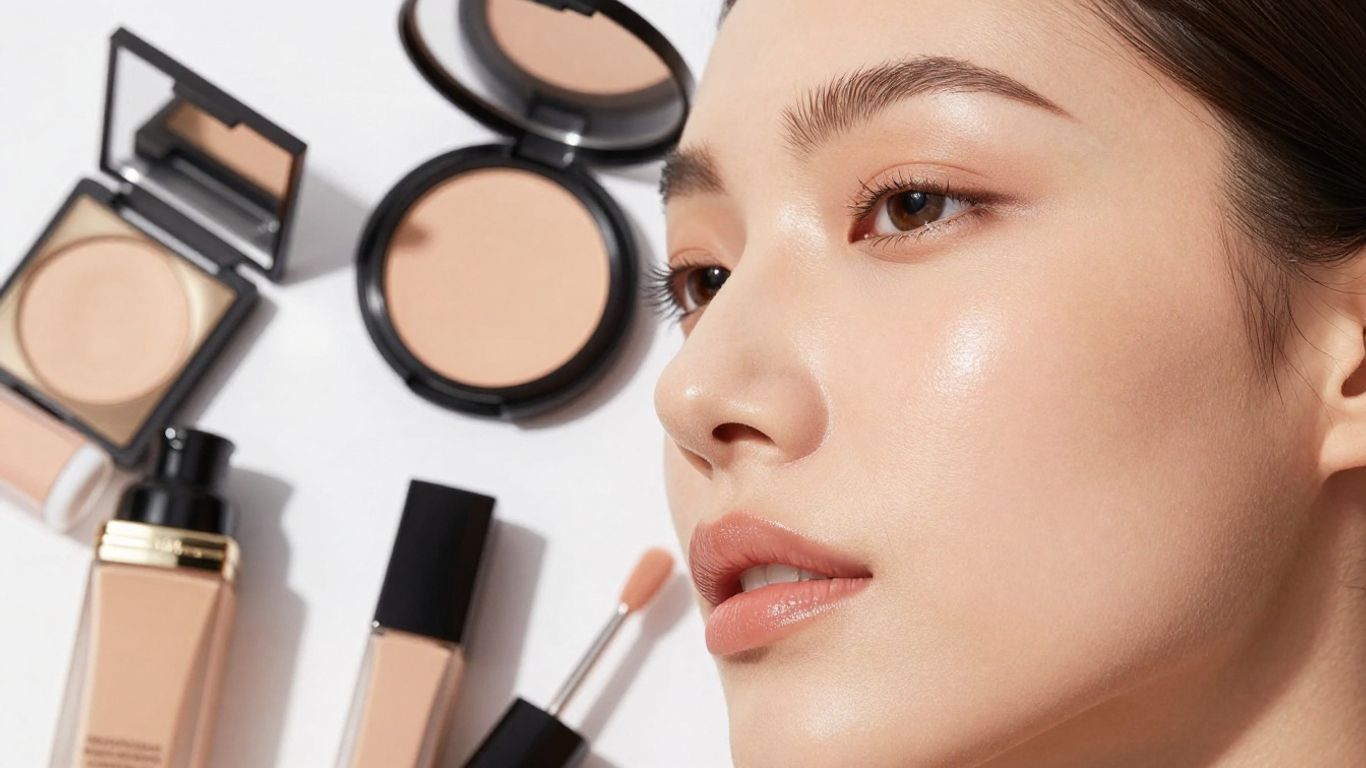
If you’re ready to try talc-free makeup, focus on products that touch your skin the most and those you use in larger amounts.
Start with your powders—foundations, blushes, bronzers, and setting powders are the biggest sources of talc. They easily go airborne and cover large areas. Swapping these first helps your skin breathe.
Here’s where to start:
-
Face Powders: Setting powders, finishing powders, and loose foundations.
-
Color Cosmetics: Blushes, bronzers, and contour powders.
-
Eyeshadows: Especially the pressed powder versions you use most often.
Liquids and creams usually aren’t the main concern, but many brands offer talc-free options in those too. Now’s the perfect time to try them. And since talc mining can damage the environment, choosing talc-free also has a positive effect on the planet.
You don’t have to overhaul your whole routine. Start with the powder makeup you use every day and notice how your skin and confidence change.
What to look for on the label
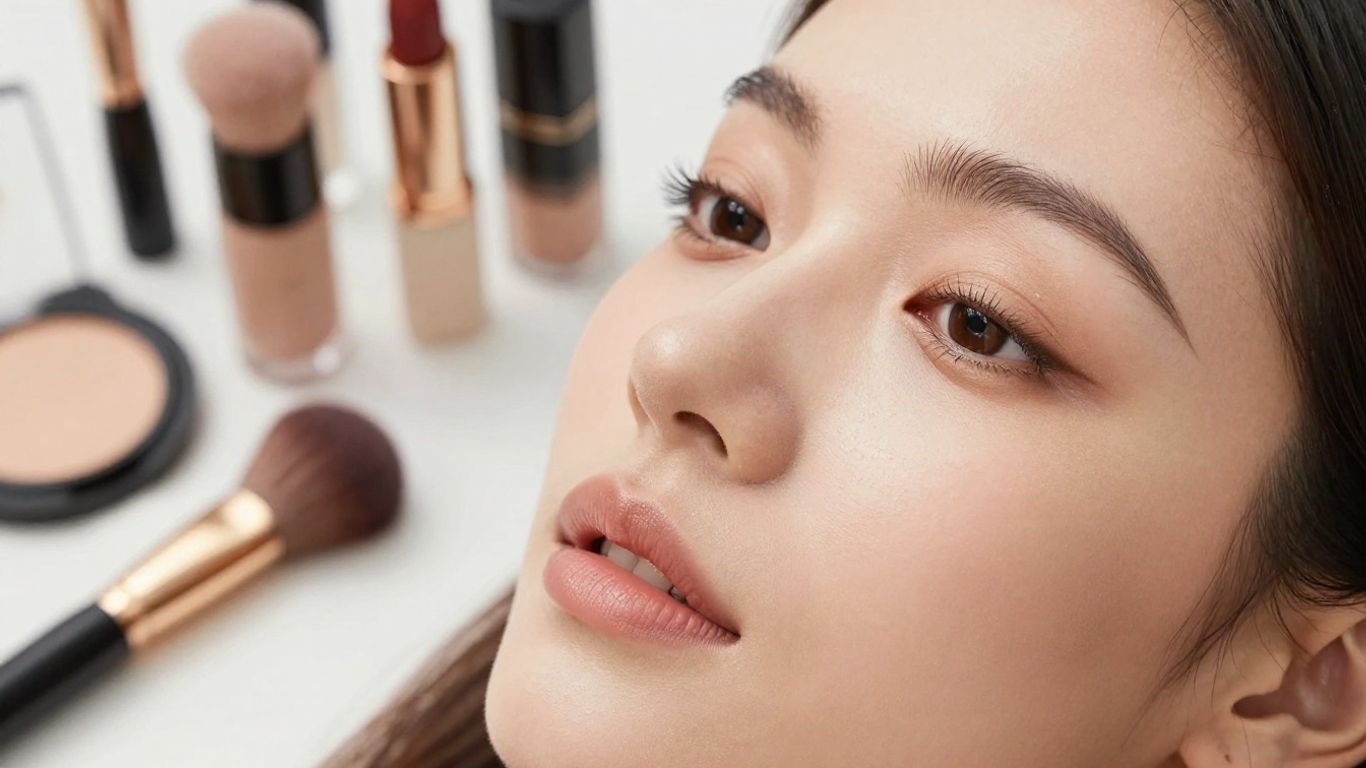
Ready to go talc-free? Ingredient lists can look intimidating, but it’s easier than it seems.
Look for one main word: talc. Sometimes it’s listed under a different name, but usually you’ll see it as “talc.” If your goal is to skip talc, put down any product where you see this ingredient.
When you shop—especially for powders like foundations, blushes, or eyeshadows—check the names on the back. Most talc-free brands will also label this right on the front, since it’s a big selling point.
Here’s your quick label checklist:
-
Scan the ingredients: If you see “talc,” skip that product.
-
Check the packaging front: Many brands highlight “talc-free.”
-
Think about the product type: Talc is mostly found in powders—pay extra attention there.
Beauty brands are listening. More and more companies offer talc-free options because people ask for them. It’s better for your skin and usually for the environment as well, since talc mining has a big impact.
Bottom line: your choices push the industry to create products that match your needs and values. Just one swap can make a noticeable difference over time. Explore what’s out there and see what works for you.
Switching to talc-free makeup is a simple, direct upgrade—especially if you use powders every day. Start with your setting powder, check the label, and notice the benefits on your skin.
Frequently Asked Questions
What exactly is talc-free makeup?
Talc-free makeup skips talc, a mineral used for smooth blending and staying power. Instead, these products use other ingredients focused more on skin health.
Why should I be concerned about talc in my makeup?
Talc can bother some people’s skin, leading to dryness or breakouts. There are also concerns about how pure the talc in cosmetics really is. Going talc-free means you’re choosing gentler, more dependable ingredients.
Will talc-free makeup perform as well as regular makeup?
Absolutely. Talc-free makeup continues to improve and will still give you a smooth finish, vibrant color, and good staying power. Many brands now make excellent talc-free options—sometimes they’re even better than what you’re used to.
Can talc-free makeup help with acne?
It might. If talc clogs your pores, skipping it could reduce breakouts. Talc-free brands typically pick ingredients that are less likely to cause acne, so it’s a smart choice for problem skin.
Are there benefits beyond skin health?
Definitely. Talc-free usually means you’re getting cleaner, more natural products. The benefits can go beyond your skin—these are also better for your overall health and the environment.
Which makeup products are most important to switch to talc-free first?
Start with what you use most and what covers large areas—setting powders, foundations, blushes. Eyeshadows and eyeliners, especially if you have sensitive eyes, should also be on your list.

